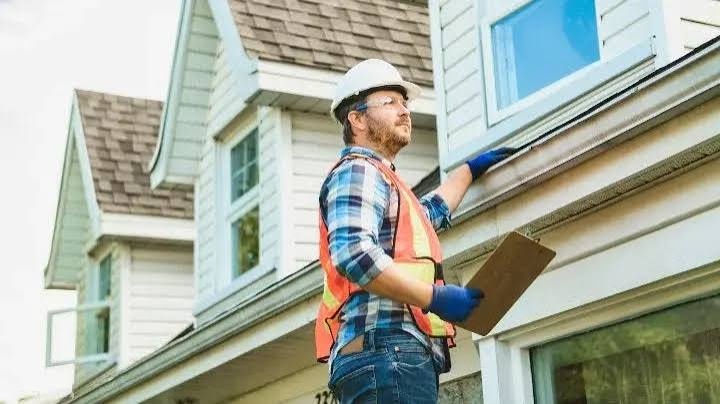
Buying a home is one of the biggest financial decisions most people make. From choosing the right neighborhood to securing financing and negotiating the purchase price, there are many details to consider. One step that can provide valuable insight into a property’s condition is a professional home inspection before buying.
A property may look perfect during a showing, but important components can have problems that are not immediately visible. An inspection gives prospective buyers an opportunity to better understand the condition of the home and identify areas that may require maintenance, repair, or additional evaluation.
Why a Home Inspection Matters
A house is made up of numerous interconnected systems. Roofing, plumbing, electrical, HVAC, structural components, windows, doors, drainage, and other features all contribute to the property’s performance.
A professional inspection typically involves a visual examination of accessible areas and components. The inspector documents observable conditions and provides information that can help buyers make informed decisions.
The purpose is not to predict every future problem or guarantee that a property is defect-free. Instead, it provides an independent assessment of observable conditions at the time of the inspection.
What Does a Home Inspection Cover?
The exact scope depends on the inspection agreement, property type, and applicable standards. Common areas of evaluation can include:
- Roofing systems
- Exterior components
- Foundation and structural elements
- Attic areas
- Plumbing systems
- Electrical systems
- HVAC equipment
- Interior rooms
- Windows and doors
- Drainage and grading
- Insulation and ventilation
Specialized systems may require separate inspections by appropriately qualified professionals.
The Roof Deserves Attention
The roof protects the property from weather and water intrusion. During an inspection, accessible roofing components may be evaluated for visible damage, deterioration, installation concerns, flashing conditions, and other observable issues.
Buyers should pay particular attention to the roof’s apparent condition and age. A roof nearing the end of its expected service life could represent a significant future expense, even if it is not currently leaking.
Plumbing Problems Can Be Expensive
Plumbing issues are not always obvious during a home showing. Small leaks beneath sinks, around fixtures, or near water heaters can cause damage if left unresolved.
An inspector may examine accessible plumbing components for visible leaks, drainage concerns, fixture operation, and other conditions.
Buyers should also consider the age and apparent condition of water heaters and other major plumbing components.
Electrical Systems and Safety
Electrical systems are another important part of a property evaluation. Inspectors may review accessible panels, outlets, switches, fixtures, and other components for observable deficiencies.
Potential concerns can include damaged outlets, missing covers, improper wiring, or other visible conditions.
Electrical systems can be complex, and significant concerns should be evaluated by a qualified electrician rather than handled as a do-it-yourself repair.
HVAC Systems and Indoor Comfort
Heating and cooling equipment can have a major impact on comfort and operating costs. An inspection may evaluate the apparent condition and operation of accessible HVAC components.
Buyers should ask about:
- Equipment age
- Maintenance history
- Cooling and heating performance
- Visible ductwork
- Condensate drainage
- Filter maintenance
Older equipment may not require immediate replacement, but understanding its condition can help buyers plan future expenses.
Foundation and Structural Conditions
The foundation supports the home and deserves careful attention. Inspectors may document visible cracks, settlement indicators, moisture conditions, uneven areas, and other observable concerns.
Not every crack indicates a serious structural defect. Building materials naturally move and change over time.
When an inspector identifies a condition that appears significant, a structural engineer or another qualified specialist may be recommended for further evaluation.
Moisture and Drainage
Water is one of the most common sources of property deterioration. Poor drainage, roof leaks, plumbing problems, and inadequate grading can allow moisture to affect building materials.
During an inspection, buyers should look for evidence such as:
- Water stains
- Damp materials
- Standing water
- Damaged finishes
- Plumbing leaks
- Poor exterior drainage
- Moisture-related deterioration
Identifying the source of moisture is often more important than simply addressing the visible symptom.
Why Buyers Should Not Rely Only on a Walkthrough
A typical property showing may last only a short time. Buyers are primarily focused on layout, appearance, location, and whether the home feels right for them.
An inspection provides a more systematic review of accessible components.
A professional home inspection before buying can reveal maintenance concerns or observable defects that may not be apparent during a normal walkthrough.
This information can help buyers understand the property’s condition and determine whether additional specialist inspections are appropriate.
How Inspection Results Can Help With Decisions
An inspection report does not automatically mean that a buyer should walk away from a property. Most homes have some maintenance items or defects, particularly as they age.
Instead, buyers can use the report to categorize findings according to importance.
For example:
Safety Concerns
Issues involving electrical systems, stairs, railings, or other safety-related components may deserve prompt attention.
Major Systems
Problems involving roofing, HVAC, plumbing, or structural components may require additional planning or specialist evaluation.
Routine Maintenance
Minor deterioration, worn components, or maintenance recommendations may not be urgent but can be useful for future planning.
This approach allows buyers to focus on the conditions that matter most.
Specialized Inspections May Be Valuable
A standard inspection does not necessarily cover every specialized concern. Depending on the property, buyers may consider additional services such as:
- Wood-destroying organism inspections
- Pool inspections
- Mold-related assessments
- Water quality testing
- Wind mitigation inspections
- Four-point inspections
- Sewer evaluations
- Specialized structural assessments
The appropriate services depend on the property’s age, location, construction, and individual circumstances.
Preparing for the Inspection
Buyers can make the process more useful by attending when possible and asking questions about significant findings.
Before the inspection, they can prepare a list of concerns noticed during the property visit.
After receiving the report, buyers should carefully review:
- Major findings
- Safety issues
- Recommended repairs
- Maintenance concerns
- Specialist recommendations
- Photographs and supporting documentation
Questions about specialized systems should be directed to appropriately qualified professionals.
A Valuable Step for First-Time Buyers
First-time buyers may not know what to look for in a home’s major systems. An inspection can provide educational value by explaining how different components appear to be performing and which areas may require attention.
Understanding a property’s maintenance needs before purchase can make budgeting and long-term planning easier.
Conclusion
Buying a home involves more than evaluating its appearance. A property that looks excellent during a showing may still have maintenance concerns or defects that are difficult to identify without professional experience.
A professional home inspection before buying provides buyers with useful information about accessible and observable components, from roofing and plumbing to electrical systems, HVAC equipment, structure, and drainage.
No inspection can guarantee that every hidden or future problem will be discovered. However, combining a thorough inspection with appropriate specialized evaluations can give buyers a clearer understanding of the property they are considering.
In 2026, taking time to investigate a home’s condition before completing a purchase remains one of the smartest ways for buyers to approach a major real estate investment with greater knowledge and confidence.