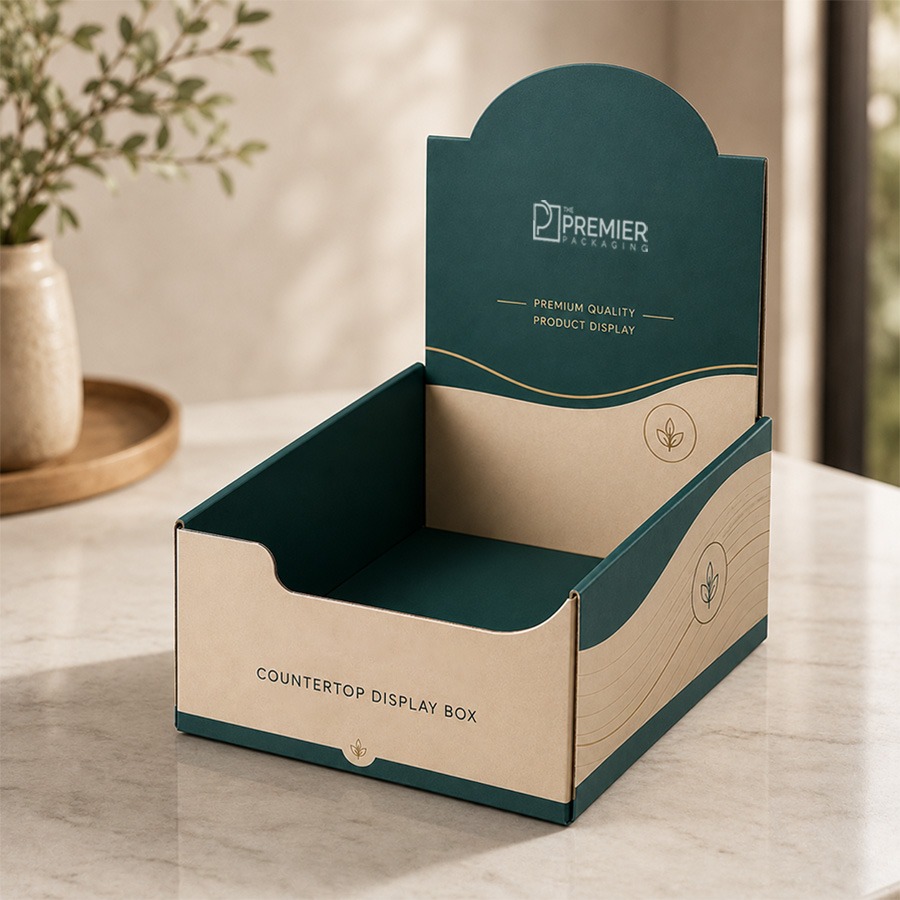
There’s a coffee shop near my old job. A couple of years back, they switched their retail displays to recycled cardboard. I thought it would look cheap. Like they cut corners somewhere. It didn’t. Actually looked better than the glossy plastic stand they had before. Kraft brown, plain type, a small stamped logo. Nothing fancy. People even commented on it. That surprised me, because I always figured eco-friendly meant plain, and plain meant boring. Turns out that’s not really true. A lot of stores are catching on to this too.
Sustainable Displays Aren’t Just a Phase Anymore
A few years back, eco packaging felt like a niche thing. Mostly small brands trying to make a point. That’s changed. Shoppers notice packaging now. They notice when it feels wasteful, and they notice when it doesn’t. A counter display isn’t just a box holding stuff anymore. It says something about the store, whether the store meant it to or not.
There’s a money side too, one people forget. Sustainable materials got cheaper over the last few years. Cheaper and better made. So eco-friendly doesn’t automatically mean expensive like it used to.
What Actually Makes a Display Eco-Friendly
It’s not just sticking a recycling symbol on the side and calling it a day. A few things actually matter:
- Recycled or FSC-certified paperboard, not virgin cardboard
- Water-based or soy ink, not the petroleum kind
- Little to no plastic coating, since that’s what usually blocks recycling
- A design that avoids wasted material, not just thinner cardboard for the sake of it
- Glue that doesn’t mess up the recycling process later on
A solid cardboard counter display box usually checks most of these boxes on its own. Cardboard is already one of the easier materials to recycle. The problem was never really the cardboard itself. It’s what gets added on top of it during production.
Eco-Friendly Doesn’t Have to Mean Plain
This is where people get it wrong a lot. There’s this idea that sustainable means stripped down. Brown box, nothing else. Not true anymore, and the coffee shop is a good example of that.
- Kraft paper takes color better than people expect, especially muted or earthy tones
- Debossing and letterpress-style printing look great on uncoated stock, no plastic needed
- Simple fonts read as intentional, not cheap
- The natural grain of the material can be part of the design instead of something to hide
Elegant doesn’t have to mean shiny or loaded with extras. Usually it just means restrained. Sustainable materials do that fine once the design works with them instead of fighting them.
Comparing the Material Options
| Material | Sustainability | Look & Feel | Cost |
| Virgin cardboard | Low | Standard, generic | Low |
| Recycled cardboard | High | Natural, textured | Low-Medium |
| Plastic/acrylic stand | Low | Glossy, modern | Medium-High |
| FSC-certified paperboard | High | Clean, a bit premium | Medium |
Recycled and FSC-certified paperboard hit the spot most stores actually want now. Sustainable enough to matter. Still looks put-together on a counter.
Things Worth Thinking About Before Switching
Going eco-friendly isn’t just a design choice. There’s practical stuff to think through too.
- Recycled cardboard can look slightly different batch to batch, so tell your printer that upfront
- Test the strength before ordering a lot, since some recycled stock is a bit softer than virgin material
- FSC certification adds trust but usually costs a little more
- Recycling rules differ by region, so check what actually gets recycled where your product sells
None of this should stop you. Just know it’s going in.
Final Words
Sustainable displays used to feel like a trade-off. You picked eco-friendly and accepted it wouldn’t look as nice. That’s not really true anymore. A well-made cardboard counter display box can look just as good, sometimes better, than something plastic or heavily coated. And it actually cuts down on waste instead of just saying it does. For stores trying to update their counters without ignoring where the materials come from, this is one of the simpler wins out there right now.
Frequently Asked Questions
Is recycled cardboard as strong as regular cardboard?
Mostly yes, though it can vary a bit by supplier. Worth testing a sample first before ordering a big batch.
Does eco-friendly packaging cost more?
It used to, pretty much always. That gap has shrunk a lot as demand went up and production got better, so it’s often close to the same now.
Can eco-friendly displays still have strong branding?
Yes. Printing on Kraft and recycled stock has gotten a lot better, and things like debossing work well without needing any plastic coating.
What certifications matter for sustainable packaging?
FSC is one of the more recognized ones. It basically confirms the paperboard came from a responsibly managed forest.
Can these displays be recycled again once they’re done?
Usually, yes, as long as they don’t have plastic laminate or heavy coating on them. That’s the main thing that gets in the way of recycling cardboard.