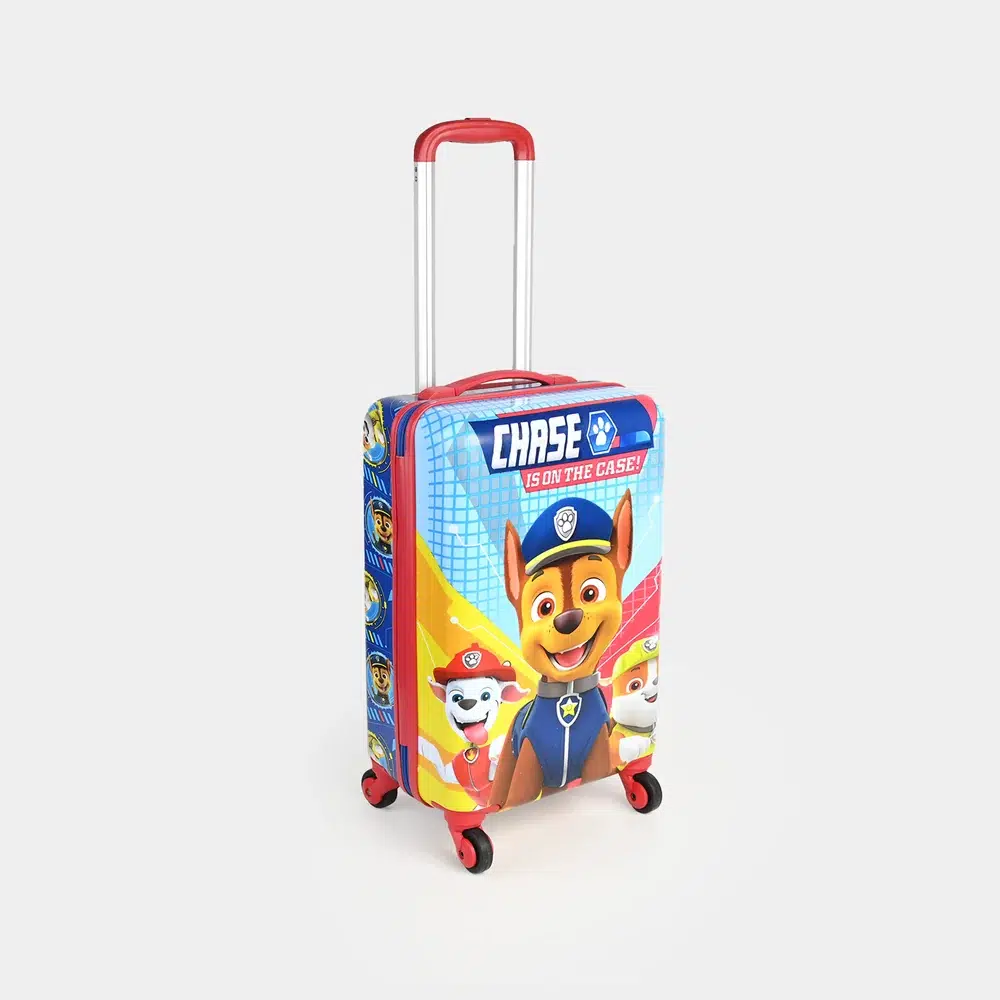
Trolley school bags make daily school travel easier by combining storage space with wheels and a pull handle. Regular movement across classrooms, sidewalks, school corridors, and uneven surfaces can gradually cause dirt buildup, wheel wear, loose handle parts, or minor damage. Proper maintenance helps keep these bags smooth, stable, and comfortable to use for longer periods. Simple cleaning, careful handling, regular inspections, and correct storage can prevent many common problems. A few minutes of routine care can also reduce the chance of wheel blockage or handle failure, especially for school bags used frequently throughout the week.
Clean the Wheels Regularly
Wheels collect dust, sand, hair, mud, and small stones during everyday use. Dirt around the wheel axle can increase friction and make movement noisy or uneven. Start by removing loose debris with a dry cloth or soft brush. For stubborn dirt, a slightly damp cloth can clean the wheel surface without soaking the bag. A cotton swab can help reach narrow areas around the axle. After cleaning, allow the wheels to dry completely before the bag is used again. Regular wheel cleaning is particularly important for trolley school bags because frequent outdoor movement exposes the wheels to more dirt than standard backpacks.
Inspect Wheels for Damage
A quick wheel inspection can identify problems before movement becomes difficult. Check for cracks, flattened sections, unusual wobbling, or excessive looseness. Both wheels should rotate smoothly and remain properly aligned with the bag frame. A wheel that drags, sticks, or makes repeated clicking sounds may require adjustment or replacement. Small stones trapped between moving parts should be removed carefully rather than forced deeper into the mechanism. Early attention to wheel problems can prevent additional stress on the wheel housing and bottom section of the school bag.
Protect Wheels From Rough Surfaces
Trolley bags are designed for rolling, but repeated dragging across rough surfaces can shorten wheel life. Broken pavement, gravel, stairs, deep gaps, and sharp edges can place extra pressure on wheel joints. Where possible, smooth pathways provide better conditions for rolling. Lifting the bag over stairs or major obstacles is safer than pulling it forcefully. Avoiding sudden drops also protects the wheel frame from impact damage. Careful movement is especially useful for children carrying heavier school loads, since extra weight combined with rough surfaces increases pressure on wheels and their supporting structure.
Keep the Pull Handle Clean
The telescopic handle is another important component that needs regular care. Dust and dirt can enter the sliding sections and make extension or retraction difficult. Wipe the handle rods with a soft, dry cloth after regular use. If the handle becomes dirty, a lightly damp cloth can remove surface grime, followed by thorough drying. Avoid pouring water directly onto the handle mechanism. The release button should also remain free from dirt so that the handle can lock correctly at different heights. A clean sliding mechanism generally moves more smoothly and reduces unnecessary strain on internal parts.
Avoid Excessive Force on the Handle
A trolley handle is intended for pulling, not lifting the entire loaded bag. Lifting a heavy school bag by the extended handle can place significant pressure on the telescopic mechanism and connection points. When the bag needs to be lifted, use the dedicated carrying handle whenever available. Pulling at a steady angle also provides better control than sudden jerking. If the handle feels stuck, forcing it can cause bending or damage to the locking mechanism. Checking the reason for resistance before applying additional pressure is a safer approach.
Check Handle Locks and Joints
Handle locks should be checked regularly for proper operation. Extend the handle through each available position and confirm that the locking mechanism engages securely. A handle that slides down unexpectedly may have a worn locking component or internal issue. Loose screws around the handle assembly should also be inspected and tightened when appropriate. Any damaged part should be replaced rather than repeatedly forced into position. For trolley school bags used every school day, a weekly handle inspection can help identify minor issues before the mechanism becomes unusable.
Prevent Overloading the Bag
Excessive weight affects more than the bag’s fabric and zippers. Heavy loads increase pressure on wheels, axles, the bottom frame, and telescopic handle connections. School books, notebooks, lunch boxes, stationery, and other supplies should be organized according to actual daily requirements. Removing unnecessary items can reduce strain on the trolley system. Balanced packing also helps keep the bag stable while rolling. A lighter and evenly distributed load makes movement easier and can contribute to longer wheel and handle life.
Use Safe Cleaning Methods
Different materials require different cleaning methods, but harsh chemicals are generally unnecessary for routine trolley bag maintenance. Mild soap diluted with water can be suitable for many fabric and plastic surfaces when applied carefully. Avoid soaking the entire bag because moisture can reach internal components, metal fittings, or wheel mechanisms. Abrasive brushes can also scratch plastic parts and weaken certain surfaces. After cleaning, the bag should remain open in a well-ventilated area until fully dry. Proper cleaning removes dirt without creating additional moisture-related problems.
Lubricate Moving Parts Carefully
Some trolley mechanisms may benefit from suitable lubrication when sliding or rotating components become stiff. A small amount of appropriate lubricant can reduce friction around compatible moving parts, but excessive application can attract dust and create a sticky surface. Fabric areas should be protected from lubricant because stains may be difficult to remove. If a wheel or handle continues to resist movement after cleaning, professional inspection may be preferable to repeated lubrication. Manufacturer guidance should take priority because different trolley mechanisms can use different materials and construction methods.
Store the Bag Correctly
Storage conditions can influence the condition of trolley school bags between school days. Keep the bag in a dry location away from excessive moisture and direct heat. The handle can remain fully retracted during storage to reduce accidental bending or impact. Wheels should not remain pressed against wet or dirty surfaces for long periods. Before storing, remove food containers, wet clothing, or other moisture-producing items. Keeping the bag clean and dry helps protect fabric, metal components, wheels, and handle mechanisms from premature deterioration.
Create a Simple Maintenance Routine
A practical maintenance routine does not need to take much time. Once a week, inspect both wheels, clean visible debris, test the telescopic handle, and check for loose components. After rainy or muddy conditions, clean the wheels as soon as practical. Monthly inspections can include a closer look at wheel alignment, handle joints, stitching, zippers, and the bottom frame. Keeping maintenance consistent is more effective than waiting until a wheel stops turning or a handle becomes completely stuck. Small preventive actions can preserve everyday performance and reduce avoidable repair costs.
When Replacement Parts May Be Needed
Cleaning and careful handling cannot correct every mechanical problem. A cracked wheel, severely bent handle rod, broken locking button, or damaged axle may require replacement. Continuing to use a damaged trolley system can make movement unstable and may place additional stress on the bag. Replacement should be considered when repairs no longer restore smooth movement or when structural damage affects safety. Professional repair services can be useful when the wheel assembly or telescopic mechanism is difficult to access. A properly fitted replacement part can restore function without requiring replacement of the entire bag.
Keep Trolley School Bags Ready for Daily Use
Regular maintenance keeps trolley school bags practical for school routines and helps preserve the performance of wheels and handles. Cleaning prevents dirt buildup, careful pulling reduces mechanical stress, and routine inspections identify small problems early. Proper loading and storage provide additional protection against unnecessary wear. Simple habits such as checking wheel movement, wiping the handle, and keeping the bag dry can make a noticeable difference over time. A well-maintained trolley bag remains easier to move, more comfortable to manage, and better prepared for the demands of everyday school travel.
Bachaa Party for Practical School Bag Choices
Bachaa Party offers a useful destination for families looking for practical school essentials, including options designed around everyday student needs. Trolley school bags can provide a convenient combination of storage and mobility for children who regularly carry books and supplies. Product variety can help match different age groups, school requirements, carrying preferences, and design choices. Alongside school bags, Bachaa Party provides access to a broader range of children’s products, making it easier to explore suitable items in one place. Careful selection, combined with proper maintenance, can help a quality school bag remain useful throughout regular school routines.